
serialised audiobooks connecting listeners and authors
What is a Living Book?
A conventional audiobook is normally recorded, published and completed.
But a Living Book:
- can be published progressively rather than all at once
- includes video elements to illuminate and expand the format
- can have any or all chapters available for free (the author chooses)
- can be used in the process of drafting a print or ebook
- or can be an ebook and just read rather than listened to or watched (ePub, text & PDF supported)
- includes reflections, meditations, music and author interviews
- incorporates illustrations, diagrams, transcripts and downloads
- allows listeners to privately journal their thoughts on each chapter
- facilitates conversations on individual chapters between the author and other listeners
- notifies listeners when a new chapter or companion piece arrives
- continues growing as listener feedback comes along
- becomes an augmented companion to the printed or digital book, rather than merely its audio duplicate
Conventional platforms host finished recordings. Living Books host unfolding relationships.
Living Books are perfect for:
- authors with an unpublished manuscript
- creators with an idea they want to test on listeners
- independent authors with an existing back catalogue
- authors whose books contain diagrams, exercises or visual material
- poets and short-story writers
- musicians and singers with tales to tell
- teachers, coaches and metaphysicians whose books naturally invite reflection
- publishers curious about serialised and augmented audio
- creators wondering whether ethical voice cloning could make previously uneconomic projects viable
And importantly:
You do not need to have an audiobook ready, rather simply the seed of one.
What we explored:
- what distinguishes a Living Book from a traditional audiobook
- which books are particularly suited to the format with six case studies
- how recording an audiobook can be part of the editing process
- how to serialise a new release
- how to revive and augment your back catalogue
- combining narration, silence, ambience and supplementary material
- where human narration matters most
- how AI cloning can be used creatively
- creating listener participation and inclusion
- publishing progressively and learning from early listeners
You will leave with a clearer idea of whether your book is suitable, a simple map for how it might come alive in mixed media and how serialisation keeps your book in front of listeners on our platform
Case Study 1 : Non-fiction book ePub import
This book has been published with our new text editor and ePub import tool.
Once imported, images and downloads have been added to make the whole book come alive.
Case Study 4 : Using audio for the 1st draft : The Letters
Zanne Elston is recording chapters of her new book as audio first for two reasons. First it is much quicker for her than writing and second so she can get early feedback on the book as she creates it.
Spoiler alert : these ‘letters’ have never actually been sent to the people mentioned. Nor do you quite know if the book is fictional or about actual people in Zanne’s life.
This presents an opportunity for listeners to dig beneath the surface directly with the author.

Case Study 2 : Audiobook, meditations & interview : Managing Time Mindfully
This book on time consists of 12 chapters arranged in four quarters, each with an associated meditation. So you don’t just listen to the content but actually experience the time shifts themselves.
It concludes with a podcast interview with the author by a reader.
This mix of content redefines what an audiobook is and can be.
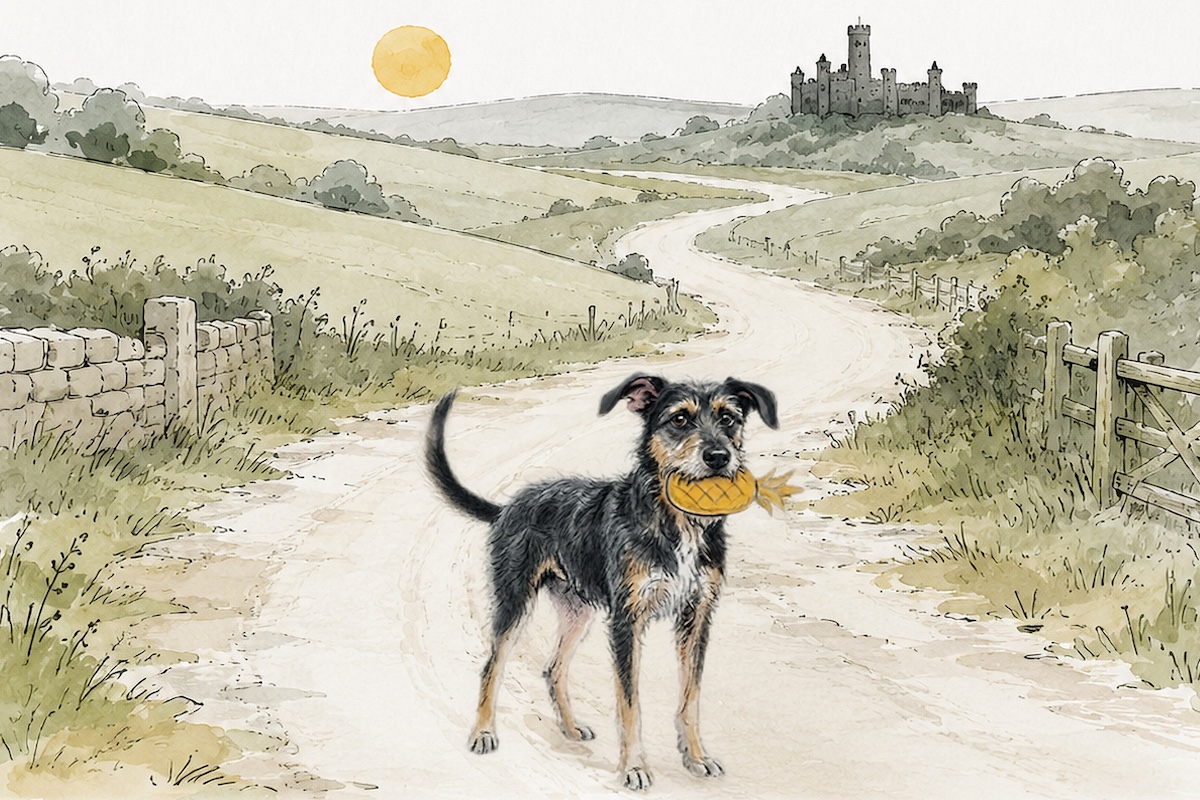
Case Study 5 : Fiction book serialisation
Kai is the most anxious dog in the world. Loud noises, new places, almost everything — it all frightens him, and he never goes anywhere without his yellow pineapple.
This is a tender, funny, beautiful story about fear, friendship, and finding your courage — for everyone who has ever been scared, and been brave anyway.
Mel Ross is a busy globe trotting consultant and records new chapters in gaps in her hectic schedule. The book is written already.
Case Study 3 : Serialisation of back catalogue
This is a new book was written in 2015 but never recorded. Mainly as more books came along and also each chapter contains an energy symbol.
It is now imported as an ePub file and meditations added for each text chapter to make the whole book experiential.
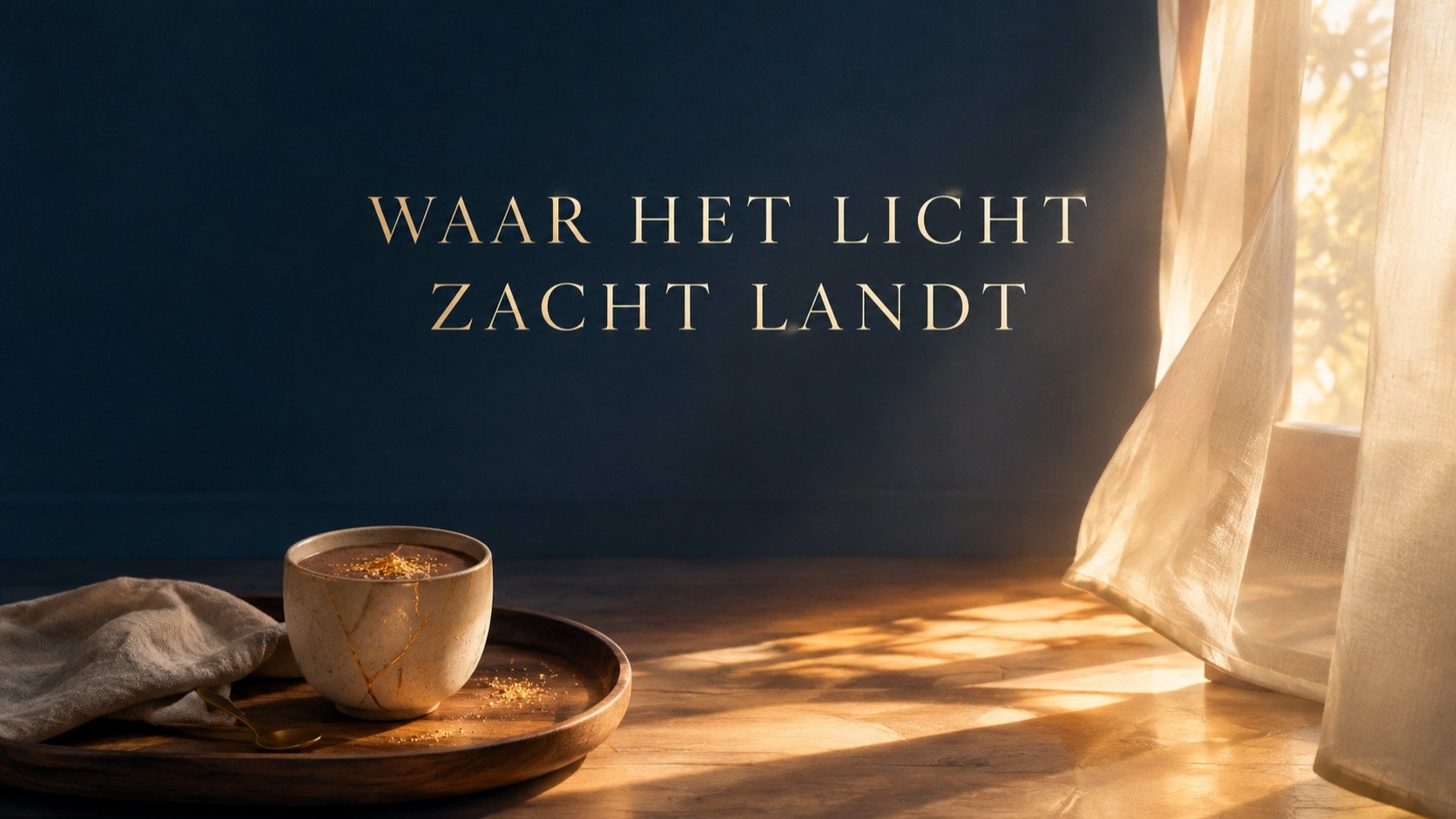
Case Study 6 : Choose your language
Waar Het Licht Zacht Landt is narrated in Dutch by Lyssa Monroe and serialised weekly.
This story gently explores what happens when we gather all the scattered pieces of ourselves, place them gently back into our arms, and discover that they still shine. This is a journey for those who have learned to be strong, but long to be held. For those who speak the language of deep feeling in a world that sometimes seems to speak another tongue.
You will find it both in our audiobook Pathway and our Polyvox Pathway where we host content in languages from all around the world.